
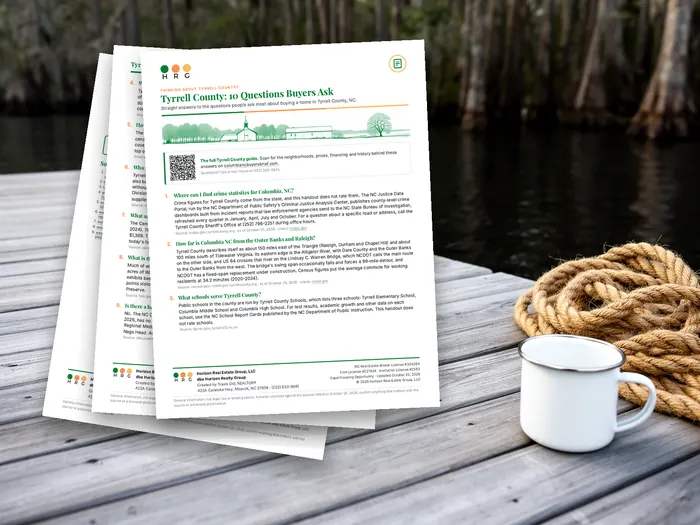
The OBX Commuter's Guide to Living in Columbia, NC

In this post
If you work on the Outer Banks and you’ve looked at what housing costs there, you’ve probably already had the thought: what if I lived west of the bridge? Columbia and the rest of Tyrrell County sit on the mainland side of the Alligator River, along US-64, and the price difference between here and Dare County is the single biggest reason people consider the move.
This is the honest version of what that commute involves — the good, the annoying, and the things you should test before you sign anything.
The basic commute picture
From downtown Columbia, US-64 East takes you across the Alligator River and on toward the beach:
- Columbia to Manteo: roughly 37 miles, about 42 minutes in normal conditions.
- Columbia to Nags Head: about 49 minutes.
That’s a real commute, but it’s a rural-highway commute — no interstate merges, no stop-and-go suburbia. US-64 through Tyrrell and mainland Dare is flat, straight, and lightly trafficked most of the year. Many people find 45 minutes of empty highway easier to live with than 25 minutes of congestion.
The catch is the word “most.”
The bridge is the variable
The Alligator River crossing is the Lindsay C. Warren Bridge — a swing-span bridge, meaning a section of it rotates open to let boat traffic through the river, which carries the Intracoastal Waterway. When the span swings open, US-64 traffic stops and waits. There is no alternate route that makes sense; the detour around the Albemarle Sound is measured in hours, not minutes.
Openings are a fact of life rather than a daily ordeal, but if your job has a hard start time — a surgical shift, a school bell — you need to build slack into your schedule for the possibility.
The bigger story is that the bridge is being replaced. NCDOT began construction on a new fixed-span bridge over the Alligator River in February 2025, with completion anticipated around the end of 2029. A fixed span means no more openings — the single most commute-relevant infrastructure change this county will see in a generation. Between now and then, expect periodic construction-related impacts on and around the crossing. Check NCDOT’s project page for current conditions before you commit to a tight schedule.
Seasonality: the commute has two personalities
October through April, the drive is about as easy as commuting gets. Light traffic, the occasional bear sighting along the refuge stretches, sunrise over the river.
Summer, US-64 is one of the main corridors carrying vacation traffic to and from the northern Outer Banks. Saturday turnover days bring long streams of loaded SUVs, and your usual timing assumptions stop applying. If you’d be commuting against the flow — westbound in the morning when tourists head east, eastbound in the evening — you’re better off than the tourists, but the road is still fuller and slower than in February.
Storm season adds another layer: US-64 is a designated evacuation corridor for the Outer Banks, so in the days around a hurricane evacuation, expect the road to run heavy and plan around it.
Before you commit: the trial-commute checklist
I tell every OBX-worker buyer the same thing — do the commute for real before you buy, and do it in season if you possibly can. Specifically:
- Drive it at your actual times. Your shift’s start and end, not a Sunday afternoon. Do it more than once.
- Do a July or August run. If you can only test in the off-season, mentally add a summer premium and talk to someone who commutes it year-round.
- Price the fuel honestly. Call it 75–100 miles round trip depending on where you work. Run that against your vehicle’s economy and current gas prices for a month, and treat the result as a real line item against your housing savings.
- Check your cell coverage the whole way. Long stretches of US-64 cross refuge and farmland. Verify your carrier works where you’d break down.
- Ask your employer about weather flexibility. When the bridge or the beach road has an issue, can you arrive late, leave early, or work remote? A flexible employer makes this commute dramatically more livable.
- Think about the second driver. If your household has two OBX jobs, you’re doubling the exposure. If one person works locally or remote, the math gets much friendlier.
What you get for the drive
The reason this trade exists at all: housing on the mainland side costs a fraction of what comparable housing costs on the beach, and property comes with land — yards, acreage, water frontage — at prices that don’t exist east of the bridge. The full price comparison, and the reasoning behind living west of the river, is the subject of the first chapter of the Buyer’s Brief: The Dare Arbitrage.
You also get a genuinely different life on this side: a town of a few hundred people, the Scuppernong River out the front door, and 110,000-plus acres of national wildlife refuge for a neighbor. Whether that’s a feature or a bug is exactly the kind of thing the trial commute — and a few honest weekends in Columbia — will tell you.
Where to start
If the commute math works for you, start with what’s currently listed in the county, or go straight to homes under $300K — a price bracket that simply doesn’t exist in most of Dare County. And before you get serious, read up on financing options here, including USDA loans — Tyrrell County addresses are generally USDA-eligible, which can mean zero down for qualified buyers.
Questions about a specific commute scenario — where you’d work, what time you’d cross the bridge? Ask me. I’d rather talk you out of a bad fit now than list your house in two years.
Keep reading
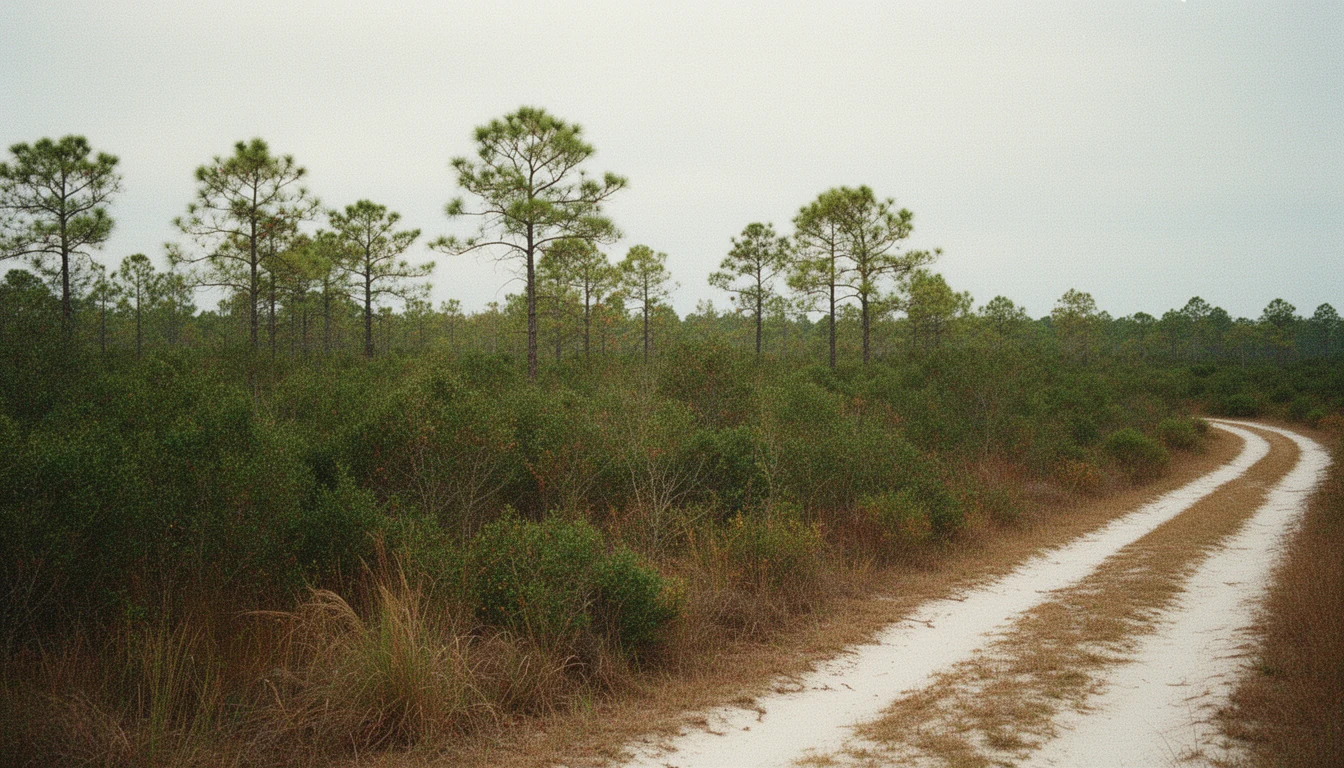
9 Questions Before Buying Beside a Tyrrell Pocosin
Nine questions to settle before buying land beside a Tyrrell County pocosin: wetland maps, outfall ditches, peat fire, floods, and recorded easements.
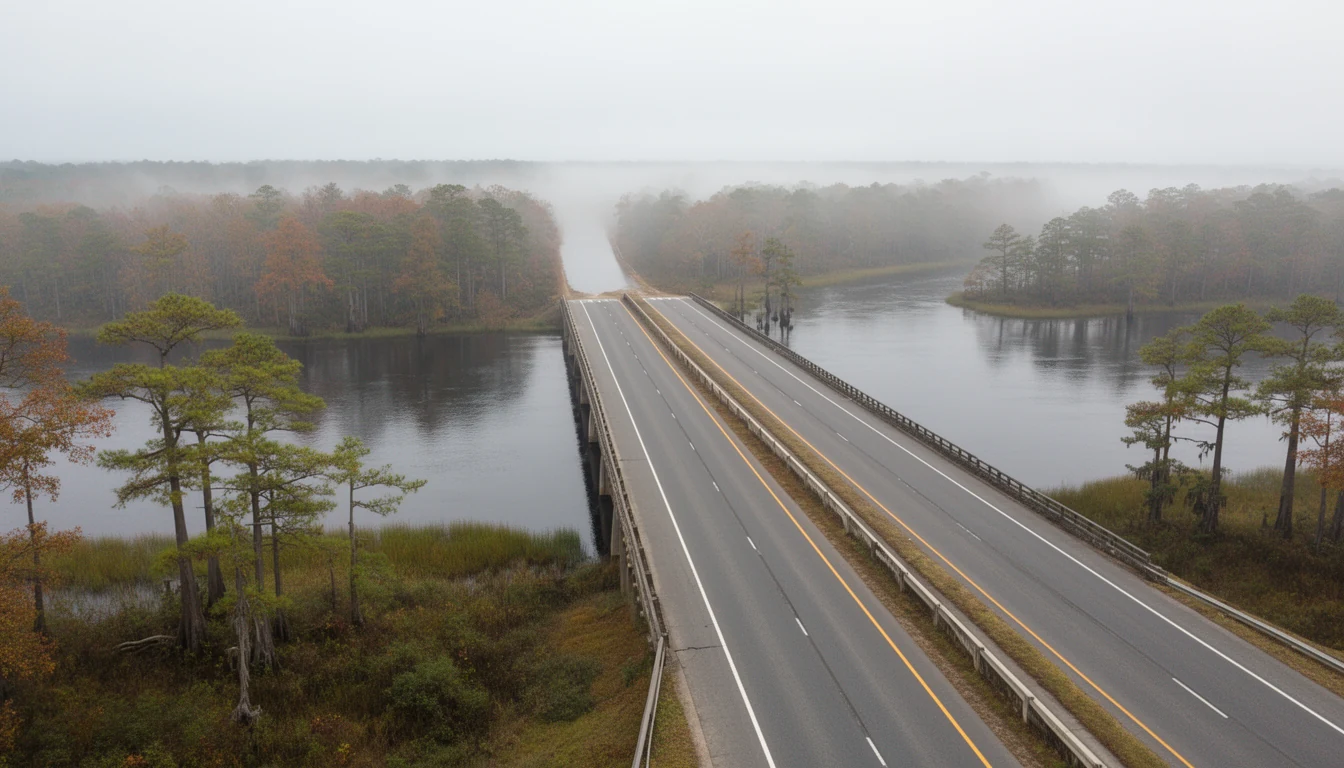
The Lindsay C. Warren Bridge: Tyrrell Turns East
The 1962 Lindsay C. Warren Bridge ended Tyrrell County's ferry era and turned it east toward the Outer Banks. What that shift means for land buyers.
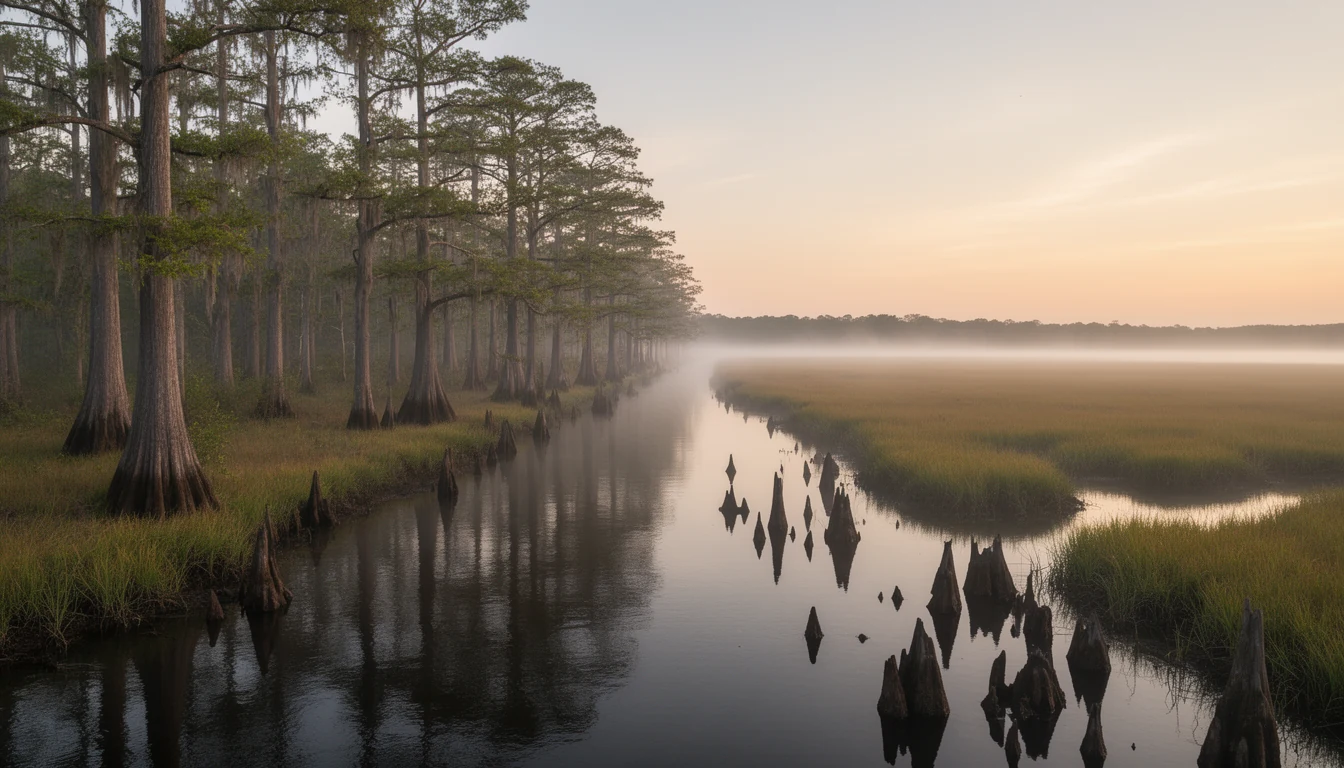
Three Waters, One County: Tyrrell's Rivers and Sound
Tyrrell County holds more than one-third water. What the Scuppernong River, the Alligator River, and the Albemarle Sound mean for land buyers.