
Buying Hunting Land in Eastern NC: A Real Checklist

In this post
- 1. Access: the deal-killer you check first
- 2. Wetlands: know what’s actually buildable and clearable
- 3. Timber: verify the value you’re paying for
- 4. Existing leases and third-party rights
- 5. Property taxes: understand present-use value before you close
- 6. Money: land loans are their own animal
- 7. Boots on the ground, twice
- The short version
Hunting land is the purchase people most often make with their heart and regret with their calculator. The parcel looks perfect in November — deer sign everywhere, a good pine stand, a gate off a quiet road — and the problems only surface later: the access isn’t deeded, half the acreage is jurisdictional wetland, the timber was cruised optimistically, and a lease you didn’t know about runs through next season.
Every one of those is findable before closing. Here’s the checklist I run for buyers looking at recreational and hunting tracts in Tyrrell County and the surrounding coastal counties.
1. Access: the deal-killer you check first
Nothing else on this list matters if you can’t legally get to the land.
- Deeded frontage or recorded easement. The parcel needs either frontage on a public road or a recorded easement across neighboring land. “The seller’s family has always driven in that way” is not an easement — it’s a lawsuit waiting for a new neighbor.
- Read the easement itself, not a summary. Width, maintenance obligations, and whether it permits your intended use (some old farm easements are narrow or purpose-limited).
- Landlocked parcels trade at deep discounts for a reason. Sometimes they’re a genuine opportunity — if an easement can actually be negotiated. Price that uncertainty; don’t ignore it.
- Seasonal reality check. A dirt path that’s fine in a dry October may be impassable in February. Walk or drive the access in wet conditions if you can.
2. Wetlands: know what’s actually buildable and clearable
This is coastal North Carolina. Low, wet, organic-soil land — pocosin — is the region’s defining land type, and much of it is regulated wetland under the federal Clean Water Act.
- Don’t assume; determine. A wetland delineation by a qualified environmental consultant, and where warranted a jurisdictional determination from the U.S. Army Corps of Engineers, tells you what portion of the tract is regulated. Filling or draining jurisdictional wetlands without a permit is a federal problem.
- Wetland acreage isn’t worthless — it’s different. Wetland can be superb hunting ground. What it usually can’t be is a cabin site, a food plot you clear at will, or future timber ground you ditch and drain.
- Water table matters even off-wetland. High seasonal water tables affect roads, stands, plots, and any future septic. The Buyer’s Brief chapter on land, pocosin, and water tables covers why this county’s dirt behaves the way it does.
3. Timber: verify the value you’re paying for
On many tracts here, the timber is a real fraction of the price. Treat it like the asset it is.
- Get an independent timber cruise from a consulting forester if timber value is part of your math. Seller-provided volume and value estimates are a starting point, not a number to finance against.
- Check what’s been cut. Recently harvested land sells cheaper for a reason — you’re buying decades of regrowth. That can be fine (and it can hunt well), but price it as what it is.
- Ask about replanting obligations and cost-share history. Past enrollment in forestry programs can carry conditions.
4. Existing leases and third-party rights
- Hunting leases. Ask directly, in writing, whether any hunting lease exists and when it expires. You don’t want to learn about the current lease club on opening morning.
- Farm leases. Cropland portions are often leased to a local farmer, frequently on a handshake or a calendar-year term. Decide whether you want that income and relationship to continue — it’s often worth keeping.
- Mineral, timber, or access rights previously severed or granted. A title search should surface recorded ones; ask the closing attorney to flag anything unusual.
5. Property taxes: understand present-use value before you close
Many rural tracts here are enrolled in North Carolina’s present-use value (PUV) program, which taxes qualifying land on its farm or forest use value instead of market value — often a large tax reduction. Two things every buyer needs to know:
- Qualifying isn’t automatic. Under the statute (N.C.G.S. § 105-277.3), agricultural land generally needs at least 10 acres in actual production, horticultural land at least 5, and forestland at least 20 acres in production under a written sound forest management plan. Pure recreational use doesn’t qualify — a tract you buy purely to hunt may not keep its PUV status.
- Disqualification triggers rollback taxes. When land comes out of the program, the deferred taxes for the preceding three years become due, with interest (N.C.G.S. § 105-277.4). Your contract should be explicit about who pays any rollback triggered by the sale or by your planned use. This is a standard negotiation point — but only if someone raises it before closing.
Talk to the county tax office and your attorney about the specific parcel. If keeping PUV matters to your math, a forest management plan on the timbered acreage is often the workable route.
6. Money: land loans are their own animal
Financing raw or recreational land is different from financing a house — generally larger down payments, shorter terms, and fewer lenders. Local banks and Farm Credit–type lenders are usually the right first calls, not national mortgage shops. The financing overview covers the landscape, and I can point you to lenders who actually close land deals in this county.
7. Boots on the ground, twice
Walk the whole boundary — with the survey or GIS map in hand, not from the truck. Then come back in different conditions: wet season, early morning, after rain. You’re buying the land’s worst day, not its best.
The short version
Access deeded and recorded. Wetlands determined, not assumed. Timber independently cruised. Leases disclosed in writing. PUV status and rollback liability settled in the contract. Financing lined up with a lender who does land. Boundary walked twice.
The full treatment — including how hunting properties near the refuge behave differently — is in the Buyer’s Brief chapter on hunting and recreational land. And when you’re ready to look at actual tracts, the hunting and recreational listings and broader land and acreage listings are the place to start. Bring your calculator along with your heart. The good news: in this county, the calculator often likes what it sees.
Keep reading
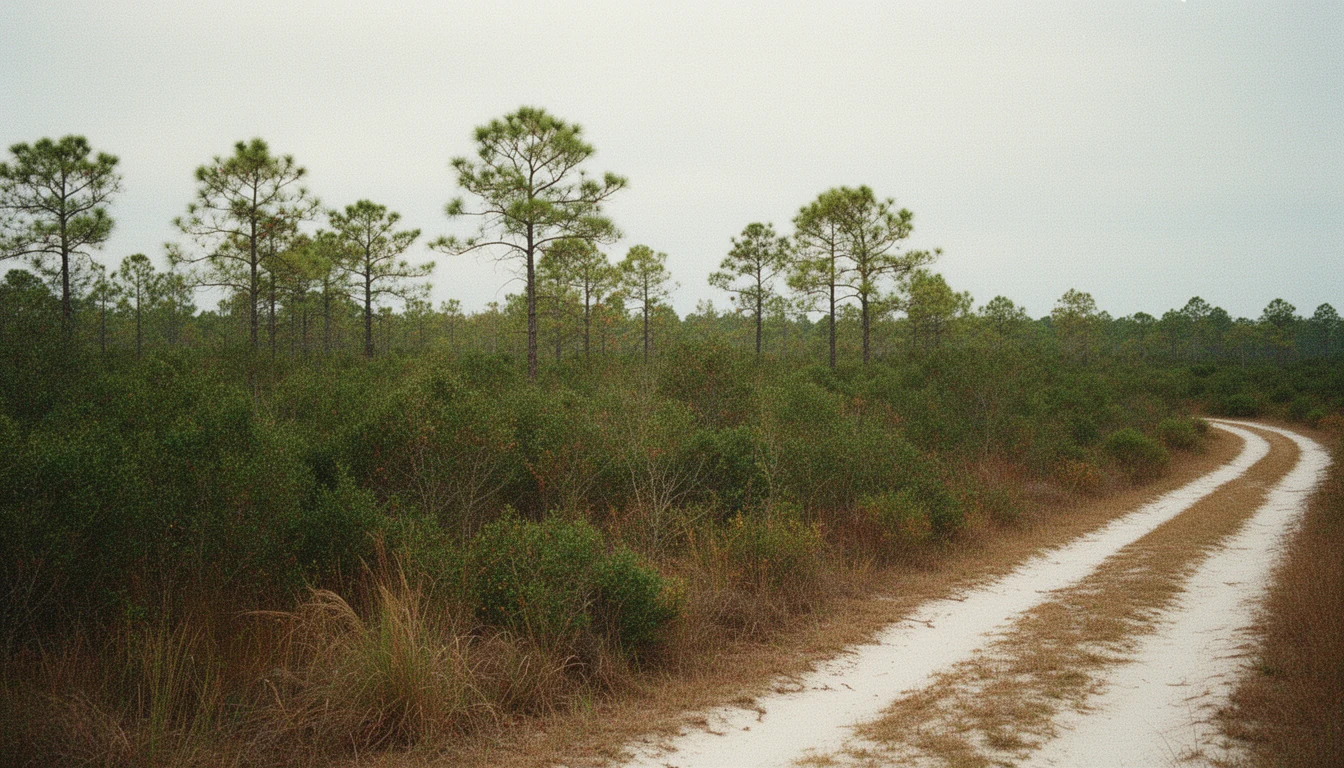
9 Questions Before Buying Beside a Tyrrell Pocosin
Nine questions to settle before buying land beside a Tyrrell County pocosin: wetland maps, outfall ditches, peat fire, floods, and recorded easements.
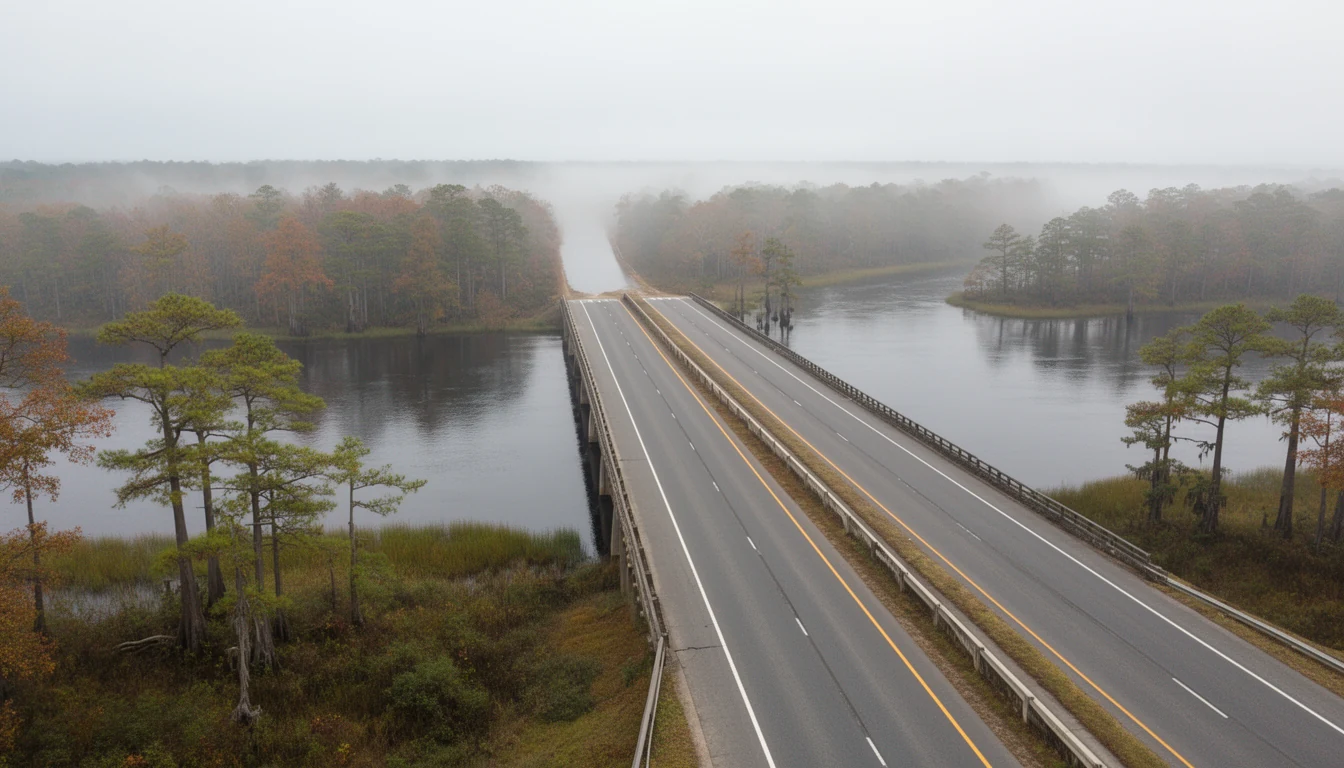
The Lindsay C. Warren Bridge: Tyrrell Turns East
The 1962 Lindsay C. Warren Bridge ended Tyrrell County's ferry era and turned it east toward the Outer Banks. What that shift means for land buyers.
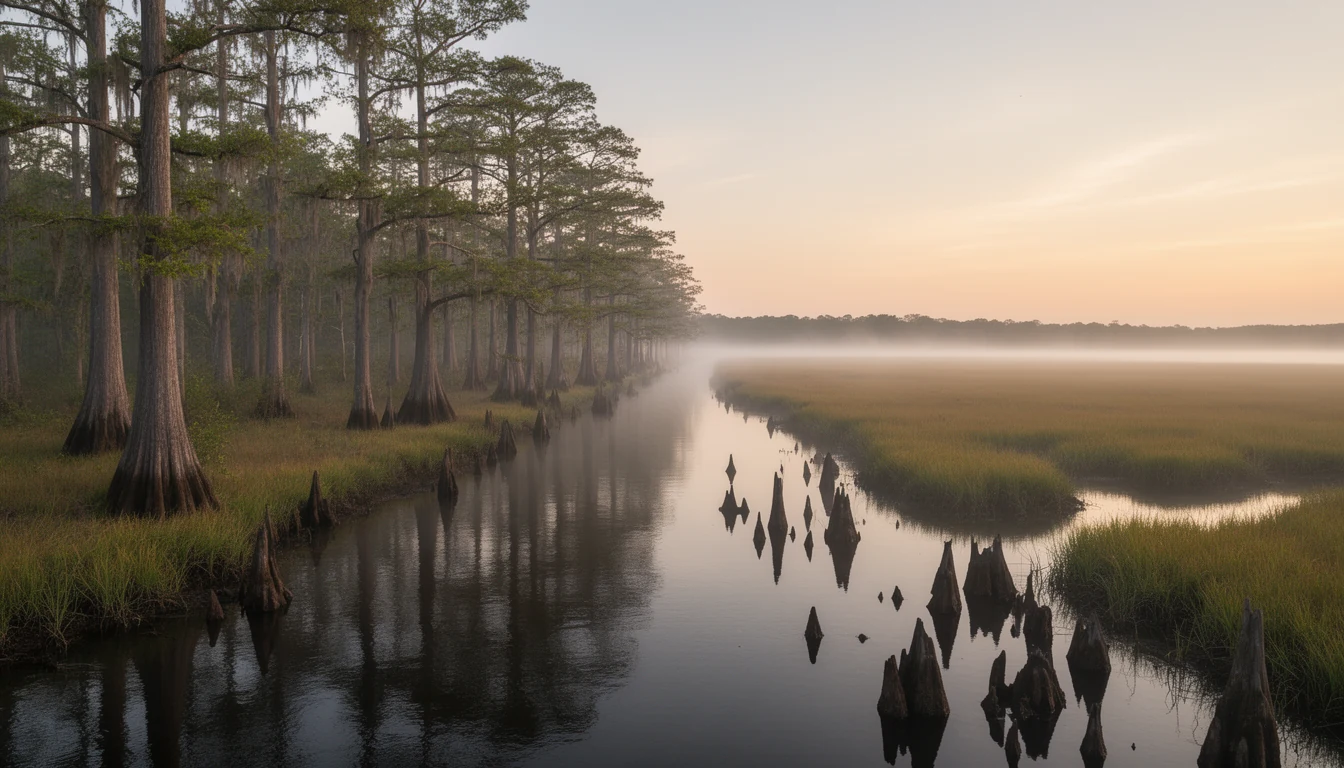
Three Waters, One County: Tyrrell's Rivers and Sound
Tyrrell County holds more than one-third water. What the Scuppernong River, the Alligator River, and the Albemarle Sound mean for land buyers.